

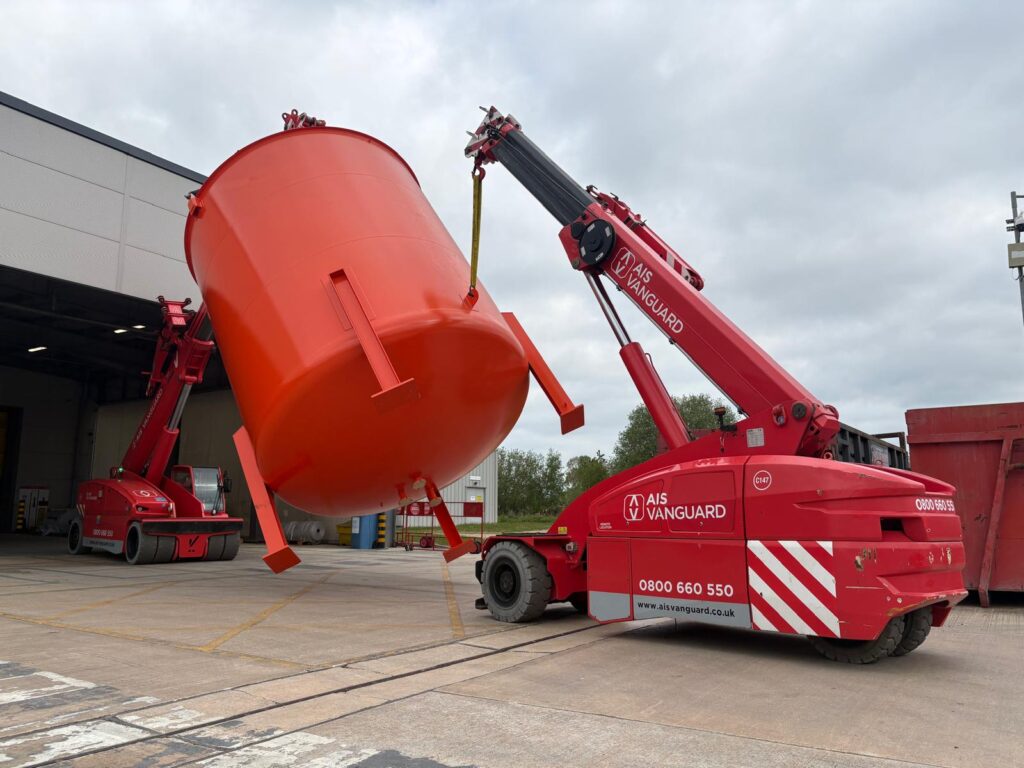
In any lifting operation, for example, a simple routine beam lift on a construction site or relocating machinery within a warehouse, there will be a risk. A lift that goes wrong doesn’t just damage equipment; it can cause workplace injuries and have serious legal consequences.
That’s why it’s essential to have a detailed lifting plan in place before you begin. You’ll also need an appointed person to manage the operation professionally, planning and supervising your lift from start to finish.
What is a lifting plan?
A lifting plan is a documented plan for a lifting operation. It’s typically included within the Risk Assessment and Methodology Statement (RAMS) you receive following a thorough job assessment.
The RAMS explains how the overall job will be carried out safely, including site access and traffic management. The lifting plan is a more technical, engineering-focused document. It explains how a specific lift will be carried out safely, efficiently, and in compliance with regulations.
Details included in the lifting plan include:
- What is being lifted
- Load weight and centre of gravity
- Crane/plant selection
Lifting plans aren’t one-size-fits-all documents. They’re bespoke, site-specific, and engineered around real operational conditions.
When is a lifting plan required?
A lifting plan is required whenever a lifting operation takes place. In the UK, the Lifting Operations and Lifting Equipment Regulations 1998 (LOLER) apply to all lifting operations, carried out by all types of equipment, including routine or simple lifts.
However, the level of detail required in the plan varies with the lift’s complexity. According to the Health & Safety Executive (HSE):
- Simple, repetitive lifts (e.g. forklift trucks in a factory) may only require a single, generic plan that’s reviewed regularly to ensure that nothing has changed and the plan continues to support safe lifting practices
- Complex lifts (e.g. a tandem lift using multiple cranes) demand a highly specific lifting plan written by a person with significant and specific training, knowledge, experience, and skills
What information should be included in a lifting plan?
There’s no single prescribed format for a lifting plan. What’s important is that the plan addresses all the identified risks and provides sufficient information to carry out the lift safely and efficiently.
A comprehensive lifting plan should cover:
- Lifting operation description – this should give a clear picture of the whole operation, including what’s being moved, to where, and why
- Sequence of operations – for complex lifts, a lifting plan typically includes the step-by-step order, showing how the lift will be carried out from start to finish
- Load information – including the load weight, dimensions, centre of gravity, and any characteristics that could affect the lift
- Lifting equipment selection – the specific make, model, and configuration
- Rigging arrangement – describing how the load will be attached to the lifting equipment
- Lift radius and capacity verification – to demonstrate that the lifting equipment can safely handle the load at the required working radius
- Ground conditions – including the ground bearing capacity to ensure that the ground on which the lifting equipment operates is capable of supporting the equipment and the load. Where ground conditions are uncertain, the plan may include a provision for mats or spreader plates to help distribute the load over a larger area
- Site-specific hazards – to identify and address potential hazards on or near the site, such as overhead power lines or railway lines. If there is an airport nearby, complex lifting operations may require specific permits, which can take weeks to be approved, so early planning is essential
- Exclusion zones – to ensure the safety of personnel and the public around the lift. The plan should detail the location of the zones, how they will be marked off, and how access will be controlled
- Personnel – including the appointed person who plans the lift, lift supervisors, crane operator, and the signaller/slinger responsible for attaching the load and giving signals to the crane operator
- Emergency procedures – to ensure the team can respond quickly and safely if an incident occurs
Who can write a lifting plan?
According to LOLER, every lifting operation must be properly planned by a competent person. For crane and complex lifting operations, this role is typically carried out by a specially trained individual known as an Appointed Person (AP).
The Appointed Person writes the RAMS and the detailed lifting plan. They’re responsible for planning the lifting operation, assessing the risks, and ensuring the lift can be carried out safely.
The role of the Appointed Person includes:
- Selecting suitable lifting equipment
- Assessing risks and site conditions
- Ensuring compliance with legal requirements
What you need to do before a crane lift: The site manager’s role
A site manager’s role in a lifting operation is usually to make sure the lift can be carried out safely, legally, and without disrupting the wider site.
Typical responsibilities include:
- Reviewing and approving the RAMS and lifting plan
- Ensuring competent personnel are in place
- Checking the lift area is prepared
As your lift and shift expert for machinery installations, removals and relocations, we ensure full guidance is provided on what information is needed from the site manager and welcome feedback on the RAMS and lifting plan to ensure they meet site-specific requirements and company QESH standards.
For instance, a company may have specific ground-bearing or access requirements. It’s essential that everyone involved in managing the lift thoroughly reviews the lifting plan and agrees on the details (including any on-site contractors) before the lift takes place.
Choosing the right lifting partner
Planning a complex or heavy lift? Selecting a professional, competent lifting partner ensures your lifting operation runs smoothly, safely, and efficiently. If your lift is complex, your lifting plan must be created by a competent Appointed Person, with the training and expertise to meet your exact requirements, potentially including detailed CAD drawings for each step of the process.
At AIS Vanguard, our engineers are capable of performing complex and technical lifts using our specialist lifting equipment, such as our Megalift jacking systems. We pride ourselves on the quality of our bespoke, highly detailed lifting plans that prioritise safety and leave nothing to chance. Contact us for a site assessment for your next lift.